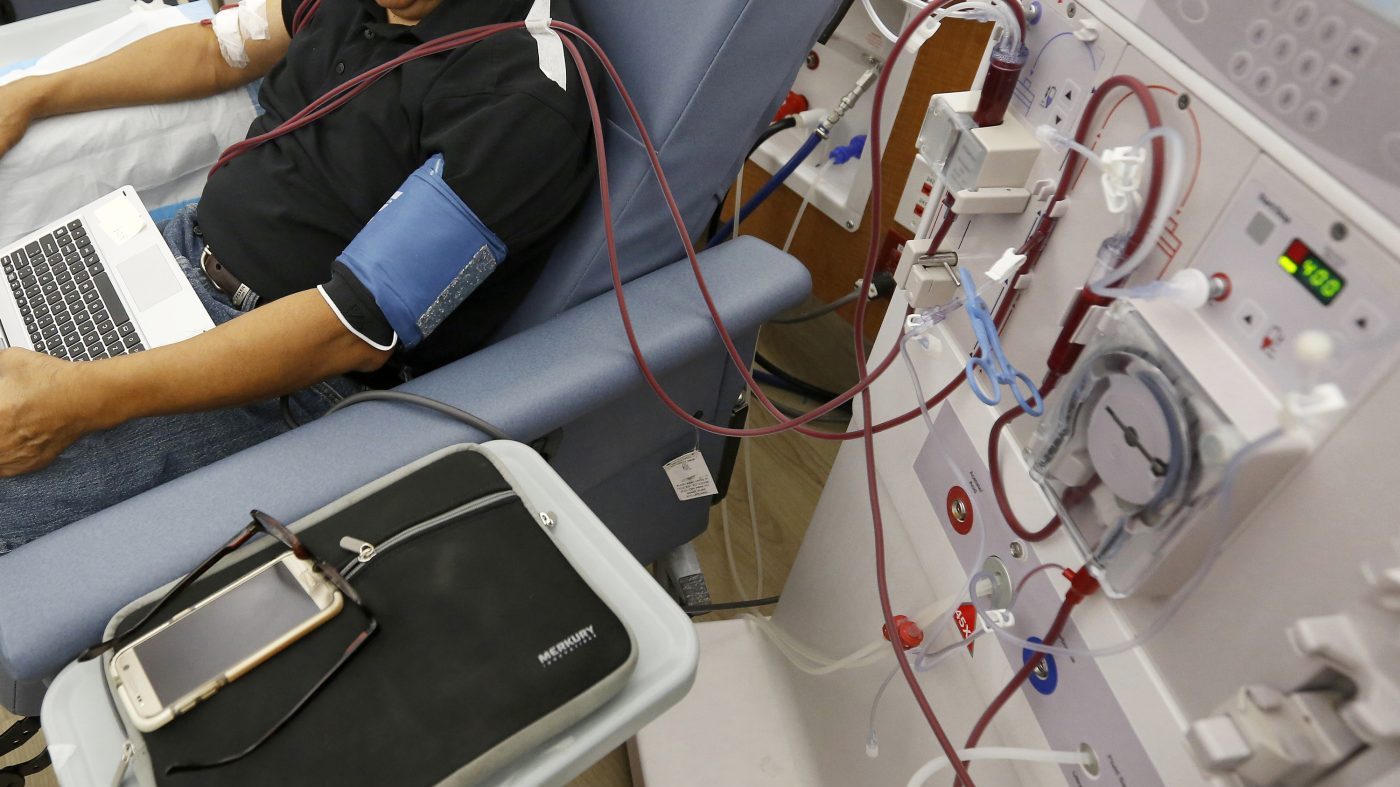
The new plan calls for more competition in treatment markets that have been dominated by companies DaVita Inc. and Fresenius Medical Care, which collectively constitute roughly 74 percent of the market.
The initiative will also seek to reform the transplant system. Roughly 90,000 Americans remain on the kidney transplant waiting list, with many waiting three to five years for a donor kidney.
HHS said it will advance a National Transplant Expansion Strategy that builds on the foundation established by a 2019 executive order, during President Trump’s first term. The strategy will make living donation easier and more accessible, so more patients can receive the transplants they need, the department said.
The plan will also focus on preventive care: detecting kidney disease earlier, intervening sooner and advancing treatments that can slow or stop disease progression.
Kidney disease is one of the nation's most common chronic diseases, affecting an estimated 37 million American adults. However, most of those affected by kidney disease do not know they have it, so too often, treatment begins only after significant damage has occurred.
HHS indicated the systemic failures are at least partly the result of government overreach. A primary barrier to better prevention, for instance, is the federal government's role in paying for end-stage renal disease care.
“In many cases, government should do less, focusing its efforts on promoting accountability, competition, and innovation,” the plan recommends. “An affirmative federal role is warranted in the narrow circumstances where a specific, identifiable market failure prevents private actors from serving the public interest.”