Democrats are riding a wave of momentum as they look to expand their Senate map, with new forecasts offering fresh optimism that flipping the upper chamber could be within reach.
The nonpartisan election handicapper Cook Political Report on Thursday shifted the Senate races in Texas and Iowa toward Democrats, rating both as “toss-ups.” Decision Desk HQ (DDHQ) similarly rates them as toss-ups.
“Even though, on paper, it should be extraordinarily difficult for Democrats to flip seats that Trump won by more than 13 points, it’s increasingly hard to ignore both public and private polling showing them to be more competitive than the Lean category reflects,” Jessica Taylor, Cook Political Report’s Senate and governors editor, wrote in an analysis.
Texas Democratic Senate nominee, state Rep. James Talarico, has consistently polled even better than Beto O’Rourke did in 2018 — the closest Democrats have recently come to winning a Senate seat in the state. Talarico’s favorability ratings remain net positive, as his scandal-prone GOP opponent, Texas Attorney General Ken Paxton, remains underwater by double digits.
In Iowa, Rep. Ashley Hinson (R) is a formidable candidate, but the tough political environment has hit Iowa especially hard, as the agriculture-dependent economy contends with President Trump’s tariffs, along with the rising prices for fertilizer and diesel due to the Iran war.
She faces Josh Turek, a two-time Paralympic gold medalist in wheelchair basketball who represents a state House district that Trump won by 9 points in 2024.
Democrats also got some encouraging results in Alaska on Tuesday, when former Rep. Mary Peltola (D) got 48 percent of the primary vote and incumbent Sen. Dan Sullivan (R) received nearly 43 percent of the vote. With no other serious contenders in the all-party primary, it served as something of a dress rehearsal before they face off again in November.
Democrats need to net four seats to win the majority in the Senate, a hefty undertaking in an election year with a map that structurally favors Republicans. But the downstream impact of Trump’s sinking approval rating, along with historic headwinds facing the majority party, has started to open up seats that once looked like long shots.
Trump won Ohio by more than 11 points in 2024 — the largest presidential margin of victory the state had seen in 40 years — but the Senate race is now considered a toss-up, as incumbent Sen. Jon Husted (R) vies to serve the rest of Vice President Vance’s Senate term after being appointed last year to the seat.
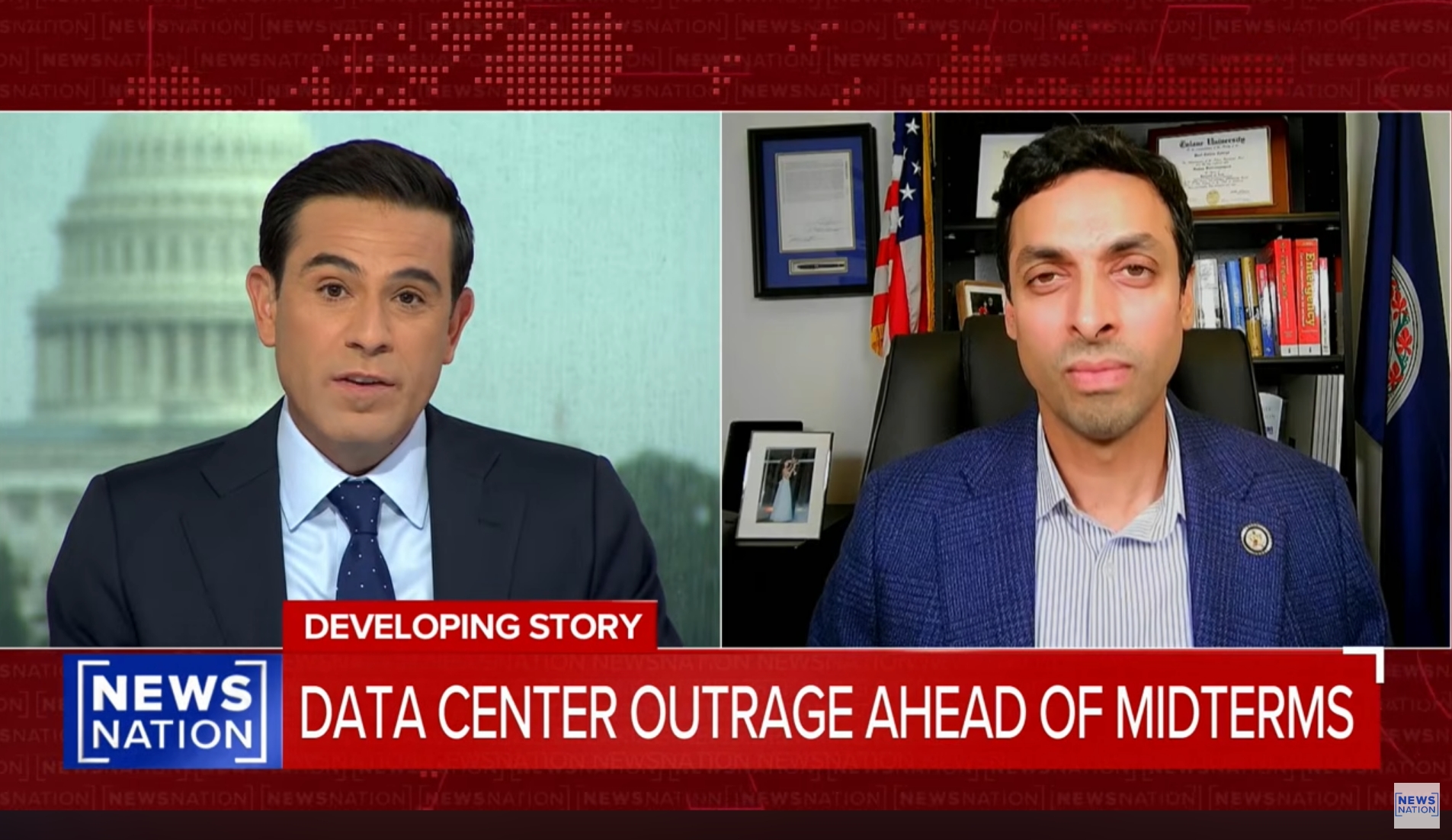
He faces a strong opponent in former Sen. Sherrod Brown (D), who narrowly lost his reelection bid to Sen. Bernie Moreno (R) in 2024. The Hill’s Helen Huiskes reports that the backlash to data centers could be a decisive factor if Husted goes down.
Kansas is also seen as a long-shot chance for Democrats to grab a seat, with megachurch Rev. Adam Hamilton, the Democratic nominee, holding a significant fundraising advantage over incumbent Sen. Roger Marshall (R). Sabato’s Crystal Ball shifted its rating of the race from safe to likely Republican earlier this month after Hamilton won the nomination.
Moderate Republican Sen. Susan Collins has been able to hold on for years in the blue-leaning Maine, but Democrats are newly energized after replacing Graham Platner with Troy Jackson on their ticket.
Republicans are bullish on their chances of slipping the open Senate seat in Michigan, where former GOP Rep. Mike Rogers is facing progressive former health official Abdul El-Sayed.
A loss for Democrats in Michigan or Maine could put flipping the Senate out of reach. While Republicans have a financial advantage, Democrats have the clear edge when it comes to voter enthusiasm, DDHQ chief elections analyst Geoffrey Skelley said in an interview.
Democrats also lead in the generic congressional ballot, with 46 percent of Americans saying they’d back the average Democrat, compared to 40 percent who would back the average Republican, if the election were held today, according to DDHQ’s aggregator.
The national political landscape has become increasingly important as politics becomes less local, said Skelley. According to the latest polling average, 38 percent of voters approve of the job Trump is doing, down 2 points from last week and 4 points from last month.
“The fundamental problems for the president's party have not changed. In fact, some of them have worsened,” Skelley said, pointing to gas prices and the ongoing Iran crisis.
“Basically, every time that seems to heat up… Democrats' lead on the generic ballot grows a little bit, and President Trump's approval rating sinks a little bit more.”
DDHQ puts Republicans’ chances of winning the Senate at 54 percent and Democrats’ at 46 percent, a significant narrowing of the GOP’s 20-point advantage over Democrats last month.
“For practical purposes, it's a coin flip,” Skelley said, “which, I think, if you told Democrats six months ago, a year ago, that they had roughly a coin flip’s chance of winning the Senate, they would have been like, ‘Well, that's great.’ Because it didn't look that way a year ago.”
▪ The Hill: Cook Political Report moves Texas, Iowa governor’s races toward Dems.
▪ The Hill: El-Sayed holds slight lead in Michigan in AARP poll.




No comments:
Post a Comment